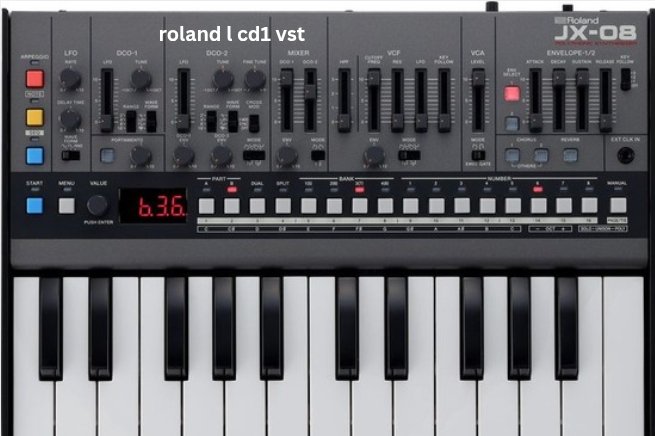
Introduction
The world of digital music production has evolved rapidly, and virtual instruments now play a crucial role in shaping modern sound. Among the many tools that musicians and producers search for, Roland L CD1 VST stands out as a highly discussed keyword. Whether you are a beginner producer, a home studio enthusiast, or an experienced composer, understanding what represents can help you make better creative decisions.
This article explores the concept, functionality, sound potential, and creative applications of Roland L CD1 VST in a detailed and easy-to-understand way.
What Is Roland L CD1 VST?
refers to a virtual studio technology (VST) instrument inspired by classic Roland sound libraries and digital synthesis concepts. While Roland is globally recognized for legendary hardware instruments, VST versions aim to bring those iconic sounds into modern digital audio workstations (DAWs).
The “CD1” part typically suggests digital sound banks, samples, or libraries originally distributed on CD formats, now recreated or emulated in software form. When combined with the VST format, it allows producers to access vintage and modern Roland-style tones directly inside their computer.
Understanding VST Technology
Before diving deeper into it’s important to understand what VST means.
VST (Virtual Studio Technology) is a plugin format used in music production software. VST instruments simulate real hardware synthesizers, drum machines, and samplers. Instead of physical keyboards or modules, producers can load a VST plugin and play it using MIDI.
With users can:
- Load sounds instantly
- Control parameters digitally
- Integrate seamlessly with DAWs
- Save presets and automation settings
Roland’s Influence on Digital Music
Roland has been a pioneer in electronic music technology for decades. From analog synthesizers to digital workstations, Roland instruments have shaped genres like pop, EDM, hip-hop, house, techno, and film scoring.
The concept builds upon:
- Classic Roland synth textures
- Clean digital waveforms
- Rich pads and evolving soundscapes
- Authentic instrument emulations
This makes it appealing to producers who want the Roland sound without relying on physical hardware.
Key Features of Roland L CD1 VST
High-Quality Digital Sound Engine
Roland L CD1 VST focuses on clarity and precision. The sound engine is designed to reproduce crisp highs, warm mids, and balanced lows, suitable for both modern and retro compositions.
Wide Range of Presets
Most Roland-inspired VSTs include:
- Synth leads
- Pads and atmospheres
- Bass sounds
- Keys and digital pianos
- Sound effects
These presets help users get started quickly while also offering deep customization.
MIDI Compatibility
Roland L CD1 VST supports MIDI input, allowing seamless integration with MIDI keyboards, controllers, and DAW automation.
Lightweight Performance
Compared to heavy sample libraries, CD-based or digitally optimized VSTs are usually lighter on CPU usage, making them ideal for home studios and laptops.
How Roland L CD1 VST Fits into Modern Music Production
Home Studio Production
For home producers, Roland L CD1 VST offers professional-grade sounds without the need for expensive hardware. It’s especially useful for:
- Bedroom producers
- Independent artists
- Content creators
Live Performance Setup
With the right setup, Roland L CD1 VST can also be used in live performances using a laptop and MIDI controller, offering flexibility and portability.
Film and Game Scoring
Digital synth textures and evolving pads commonly associated with Roland-style sounds are perfect for:
- Background scores
- Ambient sound design
- Cinematic transitions
Sound Design Capabilities
One of the strongest advantages of Roland L CD1 VST is its sound design flexibility. Producers can tweak:
- Oscillator settings
- Filters and envelopes
- LFO modulation
- Effects like reverb, delay, and chorus
This makes it suitable not only for preset use but also for creating unique, original sounds.
Compatibility with Popular DAWs
Roland L CD1 VST works well with most major DAWs, including:
- FL Studio
- Ableton Live
- Cubase
- Studio One
- Logic Pro (via compatible formats)
Its integration ensures smooth workflow and minimal technical issues.
Advantages of Using Roland L CD1 VST
Cost-Effective Solution
Compared to physical Roland keyboards or modules, VST versions are far more affordable and accessible.
Instant Recall and Automation
All settings can be saved with your project, allowing instant recall and detailed automation that hardware cannot always offer.
Space-Saving Setup
No need for racks, cables, or physical space. Everything runs inside your DAW.
Creative Freedom
With unlimited instances, producers can layer multiple Roland-style sounds in one project.
Limitations to Consider
While Roland L CD1 VST offers many benefits, it’s important to understand potential limitations:
- Lacks physical hardware feel
- Depends on computer performance
- Authentic hardware collectors may prefer real instruments
However, for most digital producers, these limitations are minimal.
Tips for Getting the Best Sound from Roland L CD1 VST
Use External Effects
Pairing the VST with high-quality third-party effects can significantly enhance the sound.
Layer Sounds
Combining multiple presets can create richer textures and fuller mixes.
Experiment with Automation
Automating filters and modulation parameters adds movement and life to your tracks.
Proper Mixing
Even great sounds need proper EQ, compression, and placement in the mix.
Why Roland L CD1 VST Is Popular Among Producers
The popularity of Roland L CD1 VST is driven by:
- Nostalgic Roland sound character
- Ease of use
- Versatility across genres
- Digital convenience
From synthwave to pop and cinematic music, it adapts easily to different creative needs.
Future of Roland-Style VST Instruments
As digital music technology continues to evolve, Roland-inspired VSTs are expected to become even more advanced. Future developments may include:
- Improved sound modeling
- AI-assisted sound design
- Enhanced user interfaces
- Cloud-based sound libraries
Roland L CD1 VST represents a step in this ongoing digital evolution.
Conclusion
symbolizes the fusion of classic Roland sound heritage with modern digital production workflows. It offers musicians and producers an accessible way to experience legendary tones, flexible sound design, and seamless DAW integration.
Whether you are producing electronic music, composing cinematic scores, or experimenting with sound design, provides a reliable and creative tool. With its balance of quality, efficiency, and versatility, it continues to attract producers who value both tradition and innovation in music production.