Introduction
Cartnite packaging has recently become a trending term in the world of product design, sustainable materials, and modern branding. Although the word “cartnite” is not widely established yet, industries are increasingly using it to describe innovative, lightweight, durable, and environmentally conscious packaging solutions inspired by carton-based materials combined with advanced structural technology. Because brands are under pressure to reduce plastic usage, improve customer experience, and deliver visually appealing packaging, cartnite packaging has emerged as a promising option.
In this in-depth guide, we’ll explore what cartnite packaging actually means, how it works, its applications, benefits, and why businesses are adopting it at a fast pace.
What Is Cartnite Packaging?
Cartnite packaging refers to a modern, hybrid packaging material that blends the strength of reinforced carton with lightweight structural elements. In other words, it’s a next-generation carton-style packaging solution designed to be:
- Stronger than traditional cardboard
- More eco-friendly than plastic
- Easier to customize for branding
- Suitable for small or large products
Although the term is new and still evolving, generally describes high-density, multi-layer carton material used for protective, aesthetic, and sustainable packaging needs.
How Cartnite Packaging Is Manufactured
is created by combining several layers of high-quality, fiber-based materials. Here’s a simple breakdown:
- Base Layer (Primary Carton Material):
Typically a premium-grade paperboard or kraft board. - Reinforcement Layer:
A special compressed layer that gives extra rigidity without adding much weight. - Surface Layer or Coating:
A printable, smooth coating used for high-resolution branding, glossy or matte finishes, and moisture resistance. - Optional Biodegradable Film:
Adds extra durability while keeping the package environmentally friendly.
The result is a package that feels sturdy, premium, and dependable—ideal for brands seeking a balance of strength and sustainability.
Why Cartnite Packaging Is Gaining Popularity
The packaging industry is evolving rapidly, and businesses are shifting to innovative options that match consumer expectations. Some of the main reasons cartnite packaging has become popular include:
1. Sustainability Pressure
Governments and consumers are demanding reduced plastic waste. being fiber-based and often recyclable, fits perfectly into this eco-friendly shift.
2. Lightweight Yet Durable
Traditional cardboard is often too flimsy, while plastics are heavy and harmful. offers the best of both worlds—strength without excessive weight.
3. Branding Flexibility
Companies love materials that allow bold colors, crisp printing, embossing, and textures. Cartnite material works perfectly for premium product presentation.
4. Cost Efficiency
Compared to rigid plastic or metal packaging, is generally more affordable to produce at large scale.
5. Innovative Appeal
Consumers love new, innovative packaging solutions. Cartnite packaging often feels premium and futuristic, enhancing customer unboxing experiences.
Applications of Cartnite Packaging in Different Industries
Cartnite packaging is extremely versatile, and companies across multiple sectors are adopting it. Let’s explore some common uses:
1. Beauty and Cosmetic Products
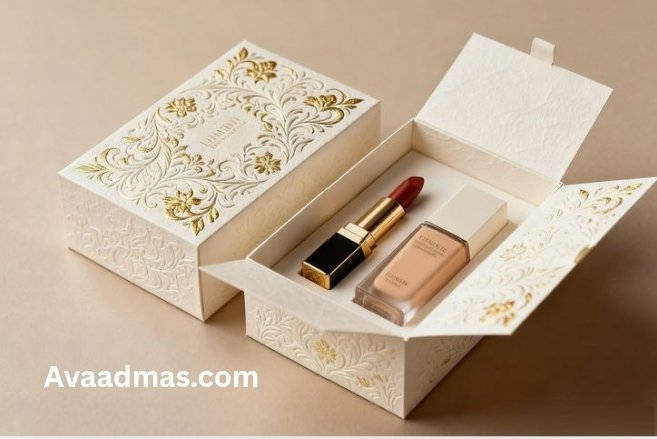
Brands in makeup, skincare, and beauty tools use cartnite packaging for:
- Luxury cream boxes
- Perfume cartons
- Facial serum kits
- Cosmetic gift sets
The smooth printing surface of cartnite material allows vibrant designs and luxury finishes, which is crucial for cosmetic marketing.
2. Electronics and Gadgets
Tech companies need packaging that protects delicate items. Cartnite packaging is used for:
- Earbuds and headphone boxes
- Smartwatch boxes
- Phone accessory packs
- Gaming gear packaging
It offers strong structural integrity, reducing damage during shipping.
3. Food and Beverage Packaging
Cartnite packaging is ideal for:
- Premium tea boxes
- Chocolate packaging
- Snack boxes
- Specialty beverages (dry mixes or powdered drinks)
With optional moisture-resistant coatings, it keeps food items safe and fresh.
4. Apparel and Accessories
Clothing brands use cartnite packaging to upgrade the unboxing experience. Applications include:
- Shirt and T-shirt boxes
- Shoe insert cartons
- Jewelry and accessory packaging
- Retail gift packaging
The material enhances the perceived value of the product.
5. E-Commerce and Subscription Boxes
Since e-commerce requires durable and lightweight packaging, cartnite boxes are perfect for:
- Monthly subscription boxes
- Custom product bundles
- Influencer PR packages
- Branded shipping containers
They reduce shipping weight while keeping products safe.
Advantages of Cartnite Packaging
Cartnite packaging offers several unique advantages that make it superior to many traditional packaging materials.
1. Eco-Friendly and Recyclable
Most cartnite materials are made from renewable fiber sources. In many cases, they can be:
- Recycled
- Biodegraded
- Repurposed
This reduces environmental footprint significantly.
2. High Durability and Structural Strength
Reinforced layers provide strength similar to light wood or thick plastic. This makes it great for protecting fragile or premium products.
3. Lightweight for Shipping
Because the material is lighter than many alternatives, businesses can:
- Reduce shipping costs
- Improve handling
- Lower carbon emissions
4. Premium Branding Opportunities
Cartnite packaging allows:
- Embossing
- Debossing
- Foil stamping
- Spot UV finishes
- Matte or glossy coatings
These features create a luxurious feel.
5. Versatile Shapes and Designs
Unlike plastic, which requires expensive molds, cartnite can be shaped using more flexible methods. This makes it suitable for:
- Custom shapes
- Folding designs
- Multi-layer inserts
- Window cutouts
6. Customer-Friendly Unboxing Experience
A major trend in packaging is the “unboxing experience.” Cartnite packaging helps brands deliver:
- Attractive visuals
- Neat interior structure
- Easy-to-open designs
This leads to better customer satisfaction and brand loyalty.
Comparing Cartnite Packaging With Other Materials
To understand its value, it helps to compare cartnite with traditional packaging options.
Cartnite vs. Plastic
| Feature | Cartnite | Plastic |
|---|---|---|
| Eco-friendly | ✔️ Yes | ❌ Usually No |
| Lightweight | ✔️ | ✔️ |
| Durability | ✔️ High | ✔️ High |
| Branding Options | ✔️ Excellent | ❌ Limited unless printed film |
| Decomposition | ✔️ Fast | ❌ Slow |
Cartnite vs. Cardboard
| Feature | Cartnite | Cardboard |
|---|---|---|
| Strength | ✔️ Superior | ❌ Lower |
| Water Resistance | ✔️ Moderate | ❌ Low |
| Premium Appearance | ✔️ Excellent | ❌ Basic |
| Price | ✔️ Moderate | ✔️ Low |
Challenges and Limitations of Cartnite Packaging
Even though it’s promising, cartnite packaging has some challenges:
1. Higher Cost Compared to Simple Cardboard
While cheaper than plastic, it can be costlier than traditional cardboard or kraft paper.
2. Not Suitable for Heavy Industrial Products
For extremely heavy items, metal or rigid plastic may still be necessary.
3. Requires Specialized Manufacturing
Not all packaging manufacturers currently offer cartnite material options, limiting availability in some regions.
Future Trends in Cartnite Packaging
Cartnite packaging is still evolving, and exciting developments are on the horizon.
1. Expansion into Eco-Luxury Packaging
Luxury brands are moving toward sustainability without sacrificing aesthetics. Cartnite fits this niche perfectly.
2. Integration of Smart Packaging
Future cartnite designs may include:
- QR codes
- NFC chips
- Smart labels
This will allow companies to offer extra information or interactive content.
3. More Biodegradable Coatings
Researchers are developing natural coatings made from:
- Corn starch
- Plant fibers
- Rice husk extracts
These alternatives will improve compostability.
4. Increased Use in Online Businesses
As e-commerce grows, demand for durable lightweight packaging will continue to rise.
5. Custom Structural Engineering
Engineers are exploring new ways to make
- Impact resistant
- Moisture-proof
- More flexible in shape
This will open the door for even more applications.
How Businesses Can Switch to Cartnite Packaging
For companies considering the transition to here are practical steps:
1. Analyze Your Product’s Requirements
Consider:
- Fragility
- Weight
- Shipping needs
- Branding goals
This will help you choose the right thickness and structure.
2. Consult a Packaging Designer
A designer can help create:
- Custom shapes
- Internal compartments
- Branded visual elements
3. Test Prototypes
Always test prototypes for:
- Durability
- Moisture resistance
- Print quality
- Ease of opening
4. Gather Customer Feedback
Feedback helps ensure the packaging meets expectations.
5. Scale Production
Once the design is approved, manufacturers can produce it in bulk at lower cost.
Tips for Designing Effective Cartnite Packaging
To make the most out of keep these tips in mind:
- Use bold colors and textures to enhance the premium feel
- Add eco-friendly symbols to highlight sustainability
- Choose minimalist designs for a modern look
- Add protective inserts for fragile items
- Consider window cutouts to showcase the product
- Keep the packaging easy to open
Conclusion
represents a new era in the world of packaging innovation. It offers the ideal combination of durability, sustainability, branding potential, and cost efficiency. As consumer expectations evolve and environmental concerns continue to rise, is well positioned to become the preferred choice for many industries.
Whether you’re a business owner, designer, or packaging enthusiast, understanding the potential of is essential for creating future-ready packaging solutions. With its balance of strength, style, and eco-friendliness, is set to play a key role in the next generation of product presentation and protection.