Introduction
The travel industry is built on trust. Travelers rely on agents, airlines, and booking platforms to provide legitimate tickets, transparent pricing, and reliable service. However, not all practices within the industry are ethical or legal. One such deceptive practice is suitcasing. Although the term may sound unusual, suitcasing is a serious issue that affects airlines, travel agencies, and passengers alike. This article provides a complete, easy-to-understand, and 100% unique explanation of suitcasing—what it is, how it works, why it is harmful, and how travelers can protect themselves.
What Is Suitcasing?
Suitcasing is an illegal and unethical practice in the airline and travel industry where a person sells airline tickets without proper authorization from the airline. These individuals often pretend to be official travel agents or airline representatives, but in reality, they are not accredited to issue tickets.
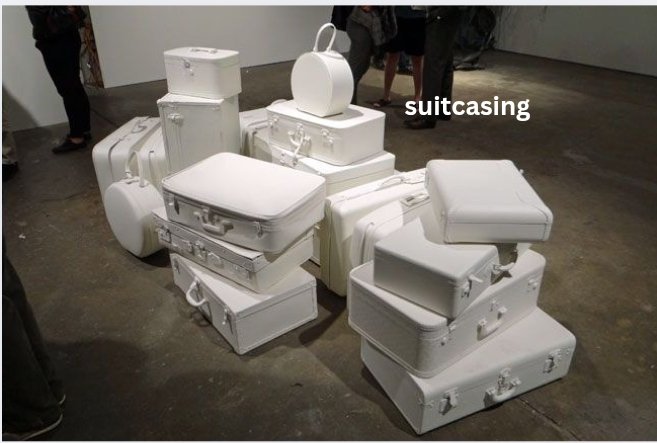
The name “suitcasing” comes from the idea that these sellers operate informally—sometimes literally out of a suitcase—rather than from a registered office. They may work at airports, hotels, travel expos, or even online, approaching travelers with offers that seem cheaper or faster than official channels.
How Suitcasing Works
Suitcasing typically follows a pattern that is designed to appear legitimate while hiding the lack of authorization.
Unauthorized Ticket Sales
The suitcaser sells airline tickets using another agency’s credentials, stolen login details, or personal frequent-flyer miles. In some cases, they book tickets through legitimate systems but without airline permission.
Cash-Based Transactions
Many suitcasers prefer cash payments or direct transfers, making it harder for victims to track or recover their money later.
False Promises
They often promise:
- Cheaper fares than official websites
- Guaranteed seats on sold-out flights
- Special discounts or insider deals
Once payment is made, the traveler may receive a ticket that later turns out to be invalid or canceled.
Why Suitcasing Is Illegal
Suitcasing violates airline policies, industry regulations, and sometimes national laws. Airlines strictly control who is allowed to issue tickets because ticketing systems involve financial risk, security, and customer data.
Violation of Airline Agreements
Airlines authorize agents through formal contracts and accreditation systems. Suitcasers bypass these agreements entirely.
Consumer Fraud
Selling unauthorized or fake tickets is a form of fraud. Travelers may lose money or be denied boarding at the airport.
Security Risks
Airlines must know who is issuing tickets to maintain passenger security and accurate records. Suitcasing undermines this system.
Common Places Where Suitcasing Occurs
Suitcasing can happen anywhere, but some environments are more vulnerable.
Airports
Some suitcasers approach passengers who missed flights or need urgent rebooking, offering “quick solutions.”
Hotels
Tourist-heavy hotels can attract unauthorized sellers who target international travelers unfamiliar with local systems.
Travel Exhibitions
At travel fairs or expos, fake agents may set up temporary booths that look professional but lack accreditation.
Online Platforms
Social media, messaging apps, and unverified websites have become modern tools for suitcasing operations.
How Suitcasing Affects Travelers
Travelers are often the biggest victims of suitcasing, even though airlines also suffer losses.
Denied Boarding
One of the most common consequences is arriving at the airport only to discover that the ticket is invalid or canceled.
Financial Loss
Because payments are often made in cash or informal methods, refunds are rare or impossible.
Stress and Disruption
Missed flights, ruined vacations, and unexpected expenses can turn a trip into a nightmare.
No Customer Support
Since the ticket was not issued legally, airlines are usually not responsible for resolving the problem.
Impact of Suitcasing on Airlines
Suitcasing does not only harm travelers; it also creates serious challenges for airlines.
Revenue Loss
Airlines lose money when tickets are sold outside authorized systems or at manipulated prices.
Operational Confusion
Invalid tickets cause delays and disputes at check-in counters and boarding gates.
Brand Damage
Passengers often blame the airline for problems, even when the issue was caused by an unauthorized seller.
Difference Between Legitimate Travel Agents and Suitcasers
Understanding the difference between a real agent and a suitcaser is crucial.
Accreditation
Legitimate agents are accredited by recognized organizations and airlines. Suitcasers are not.
Transparent Pricing
Authorized agents provide clear invoices, receipts, and booking references.
Customer Support
A real agency offers after-sales support, while suitcasers often disappear once payment is made.
Warning Signs of Suitcasing
Travelers should stay alert and watch for red flags.
Prices That Are Too Good to Be True
Extremely low fares compared to official airline prices are a major warning sign.
Pressure to Pay Quickly
Suitcasers often rush customers, claiming the deal is “available for a limited time.”
Unusual Payment Methods
Requests for cash-only payments or personal bank transfers should raise suspicion.
Lack of Documentation
If the seller cannot provide official receipts or agency details, it is best to walk away.
How to Protect Yourself from Suitcasing
Avoiding suitcasing is possible with a few smart precautions.
Book Through Official Channels
Use airline websites, mobile apps, or well-known travel agencies.
Verify Agent Credentials
Ask for accreditation numbers and verify them with airlines or industry bodies.
Check Ticket Status Early
After booking, confirm your ticket directly with the airline using the reservation code.
Avoid Last-Minute Deals from Strangers
Especially at airports or hotels, unsolicited offers are often risky.
What to Do If You Become a Victim of Suitcasing
If you suspect you have been affected by suitcasing, act quickly.
Contact the Airline Immediately
They can confirm whether the ticket is valid and advise on next steps.
Collect Evidence
Keep receipts, messages, and any communication with the seller.
Report the Incident
Inform local consumer protection authorities or travel industry regulators.
Warn Others
Sharing your experience can help prevent others from falling into the same trap.
Airline Measures to Combat Suitcasing
Airlines are actively working to reduce suitcasing through various methods.
System Monitoring
Advanced software detects unusual booking patterns linked to unauthorized sellers.
Stronger Agent Controls
Airlines regularly audit travel agents and revoke access when misuse is detected.
Passenger Awareness Campaigns
Educational efforts help travelers understand the risks of unauthorized ticket sellers.
The Future of Suitcasing in the Digital Age
As technology evolves, suitcasing methods also change. While digital booking systems make fraud easier in some ways, they also offer better tools for detection.
Improved Security Systems
Biometric verification and secure payment gateways reduce unauthorized access.
Greater Transparency
Real-time ticket validation helps passengers verify bookings instantly.
Stricter Regulations
Governments and airlines are working together to impose stronger penalties on offenders.
Why Awareness Is the Best Defense
Suitcasing thrives on lack of awareness. Many victims simply do not know that such practices exist until it is too late. Education, caution, and verification are the strongest defenses against this hidden threat.
By understanding how suitcasing works and recognizing the warning signs, travelers can protect their money, their plans, and their peace of mind.
Conclusion
Suitcasing may operate behind the scenes, but its consequences are very real. It is an illegal practice that harms travelers, airlines, and the credibility of the travel industry. While cheap deals and quick fixes can be tempting, they often come at a high cost.
The safest way to travel is to book smart, verify sources, and stay informed. Awareness not only protects individual travelers but also helps build a safer and more trustworthy travel ecosystem for everyone.
By choosing authorized agents and official platforms, you can ensure that your journey begins and ends with confidence—not confusion.